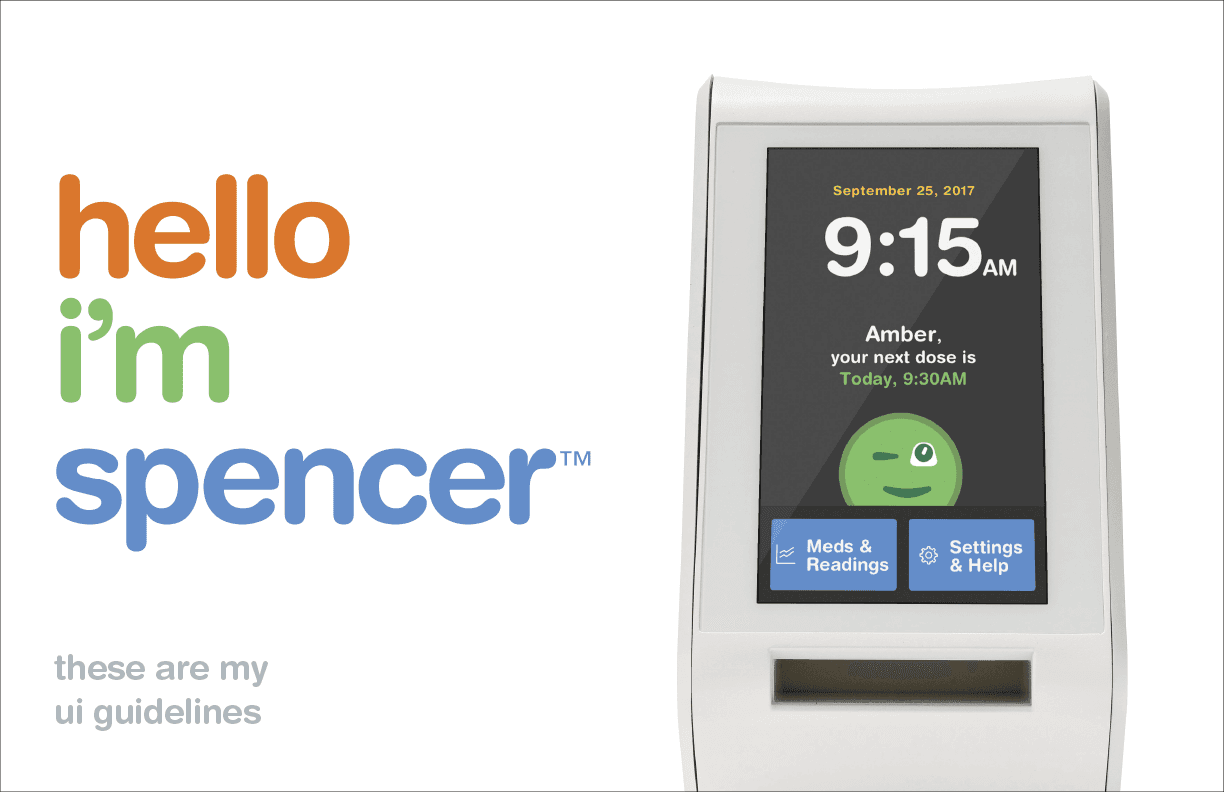
spencer
Redefining Connected Care Through Inclusive Design
Role: Associate Creative Director
Disciplines: Experience Design, Creative Direction, Team Leadership, Accessibility (A11y) Strategy
Spencer is more than a medication dispenser; it’s a dedicated companion for the elderly, designed to ensure independence through compliance. I led the creative team in architecting a dual-pronged launch: a high-conversion marketing website to build market awareness and a complete UX/UI overhaul of the device interface itself—transforming a complex, engineer-led system into an accessible, brand-aligned product experience.
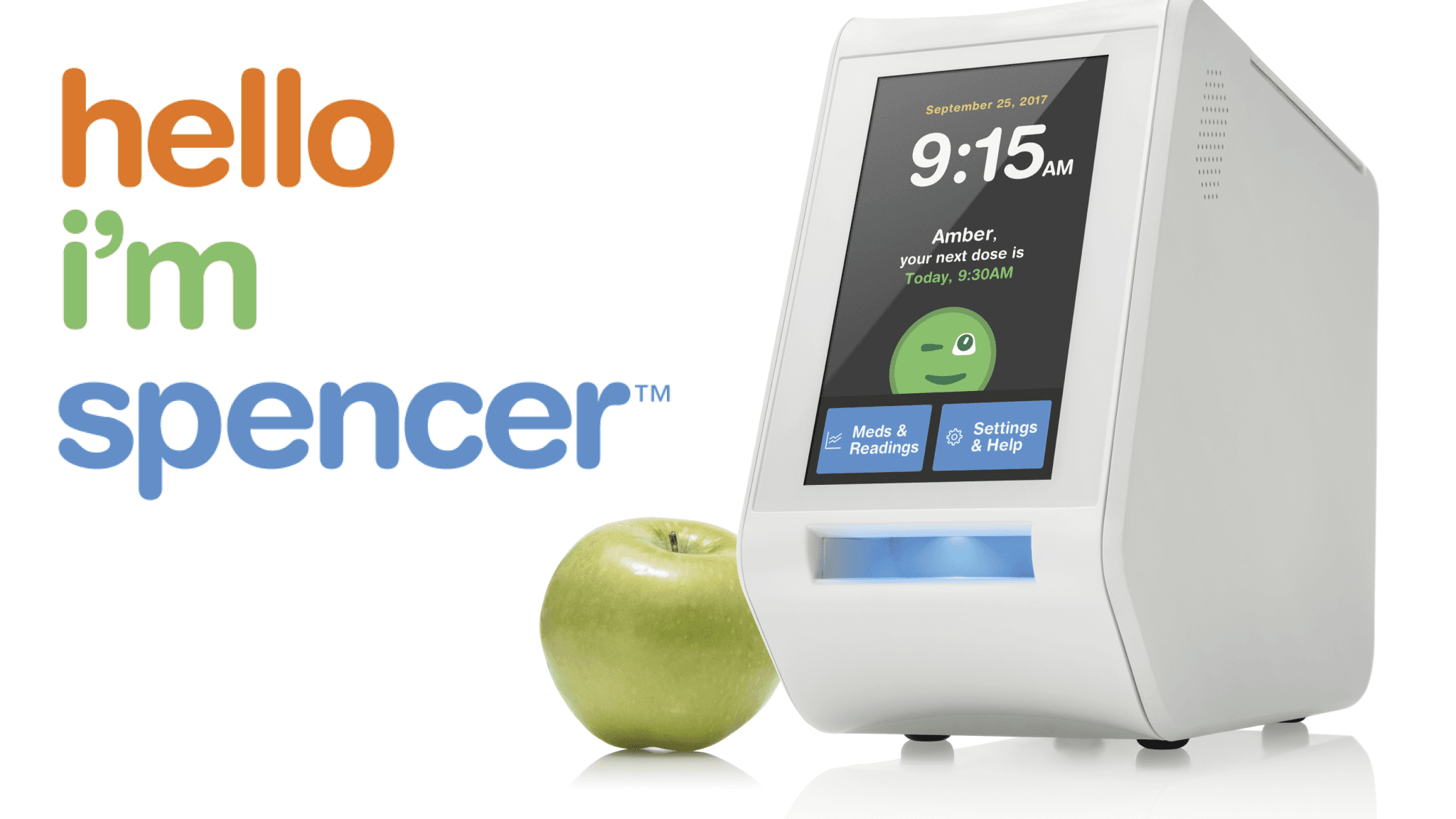
The Challenge: Designing for "Aging in Place"
The target demographic for Spencer—seniors who are independent but require monitoring—presents unique design hurdles. The original device interface, built by engineers, was visually disconnected from the brand and featured delicate UI patterns that were difficult for those with low vision or limited dexterity to navigate.
The Objective
Bridge the gap between sophisticated technology and the end-user's physical reality, ensuring the device felt like a helpful household partner rather than a daunting medical appliance.
Step 1: The Digital Gateway (Marketing Website)
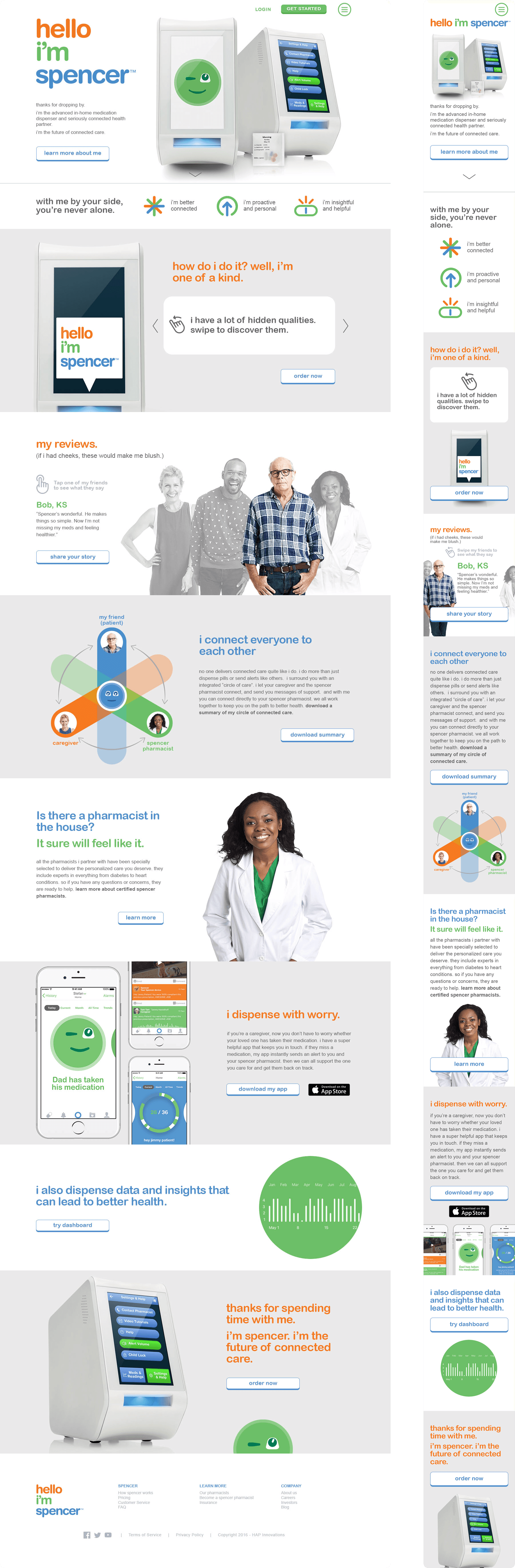
The first major deliverable was the public-facing marketing site, designed to generate leads and educate caregivers. Based on the "The Bloc" brand guidelines, I oversaw two designers to build a fully responsive experience.
Lead Generation Architecture
We structured the site to speak to two audiences: the primary user (the senior) and the secondary user (the caregiver), ensuring the value proposition of "peace of mind" was front and center.
Brand Expansion
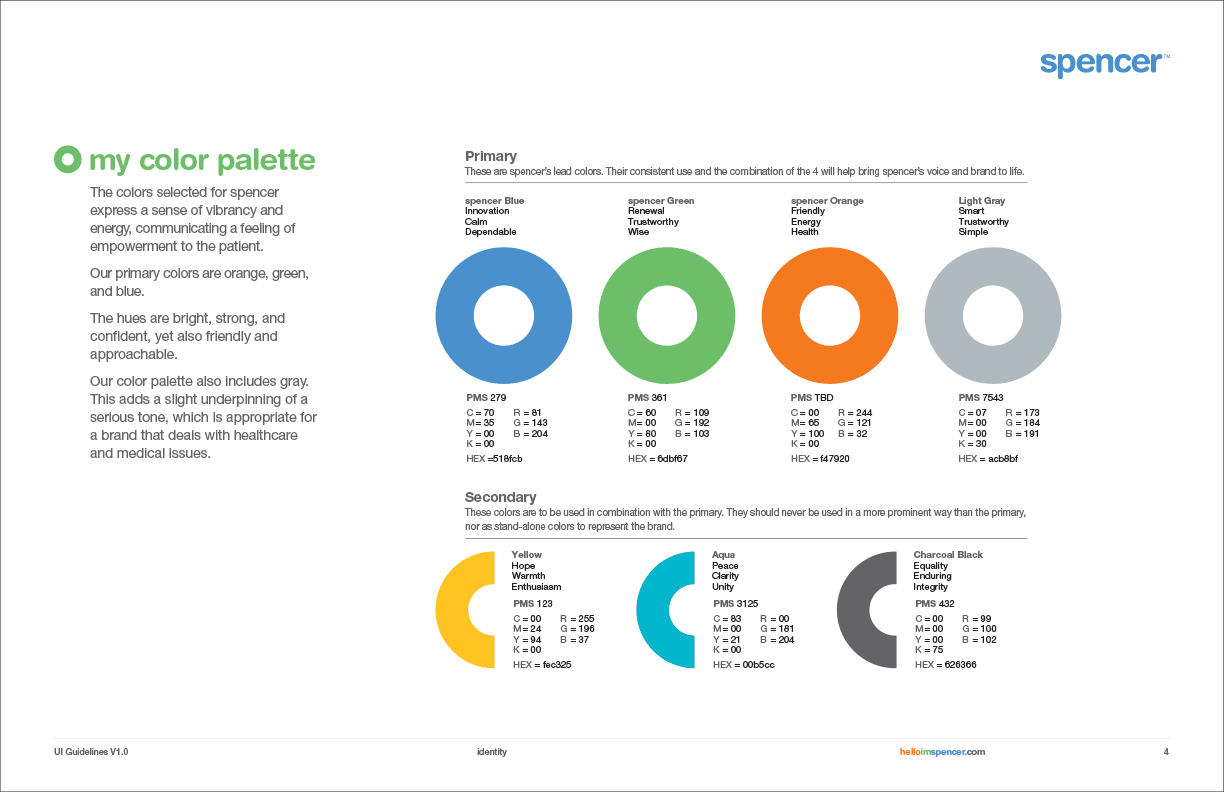
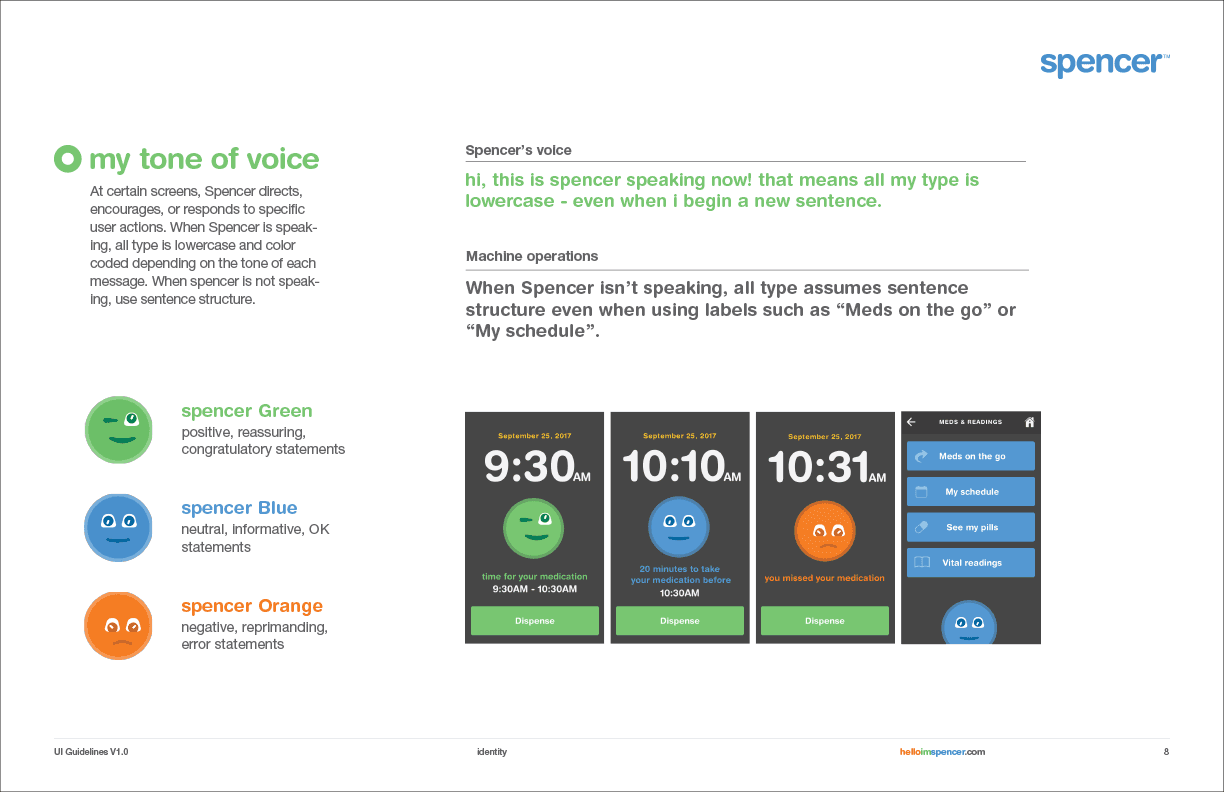
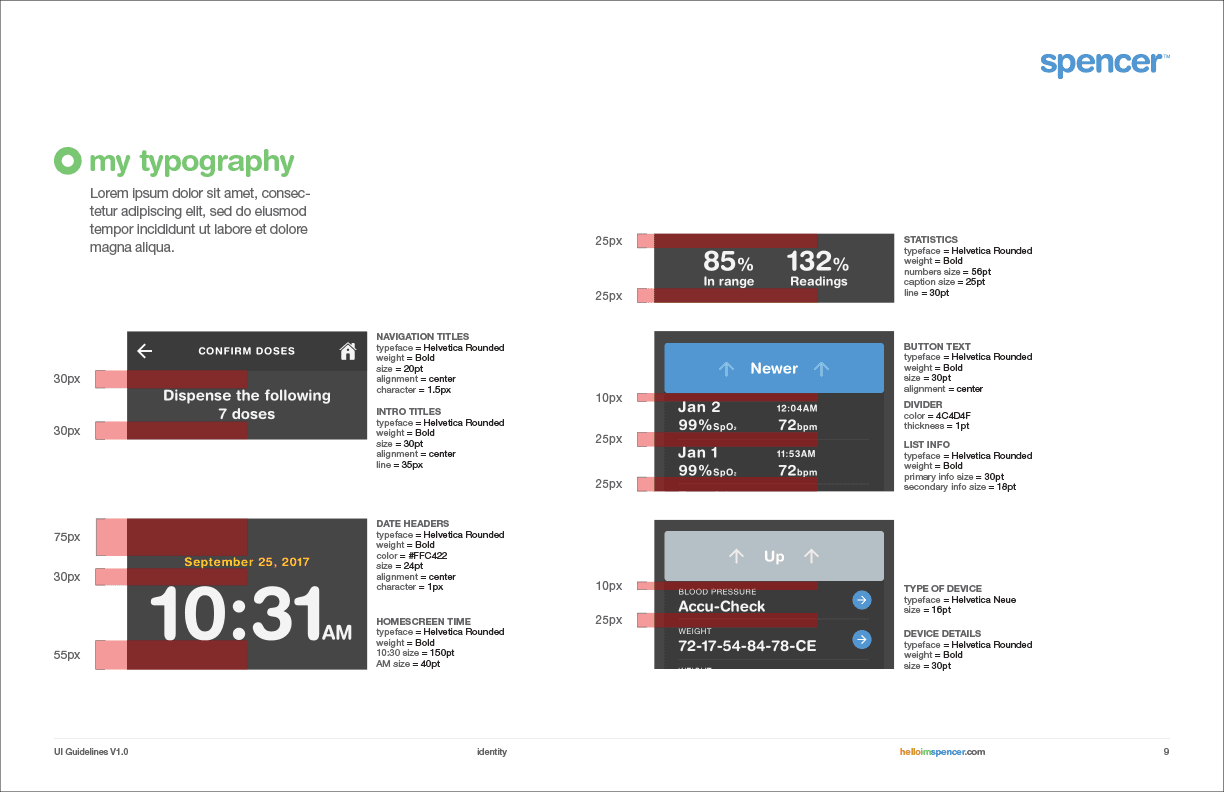
I directed the translation of the core brand identity into a digital-first system, utilizing high-legibility typography and an optimistic, airy aesthetic that avoided "clinical" tropes.
Step 2: The UX Overhaul (Device UI)
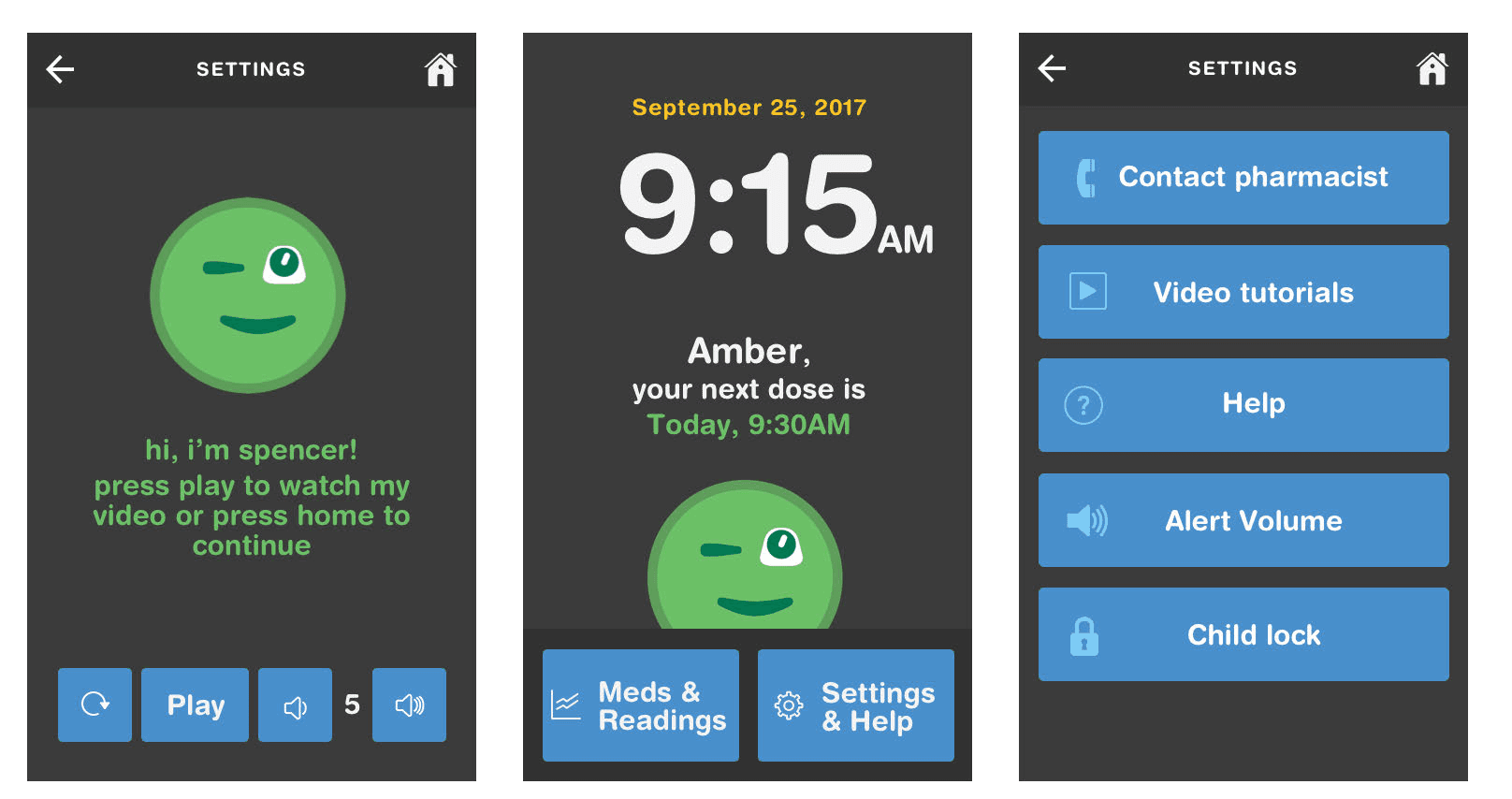
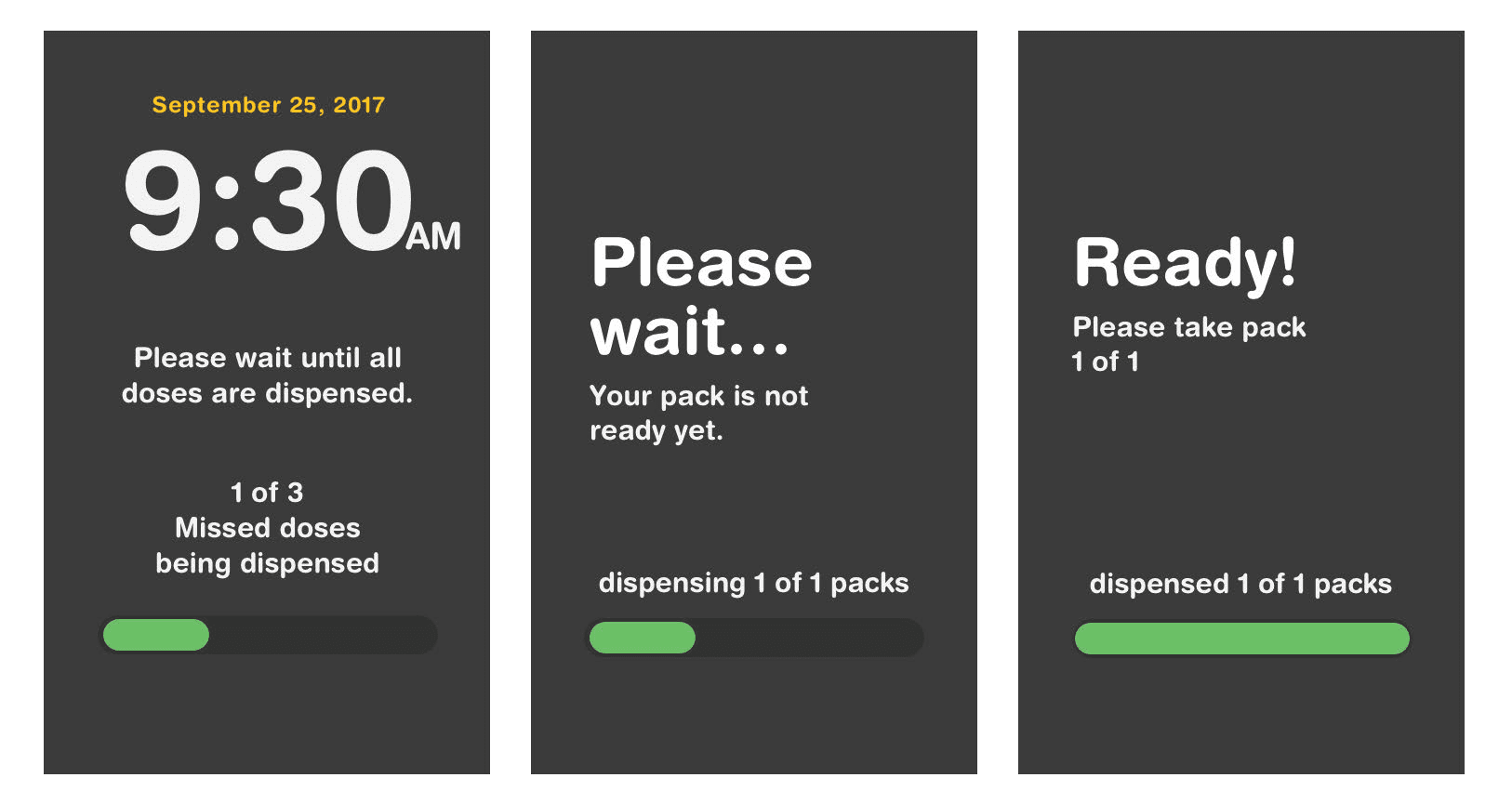
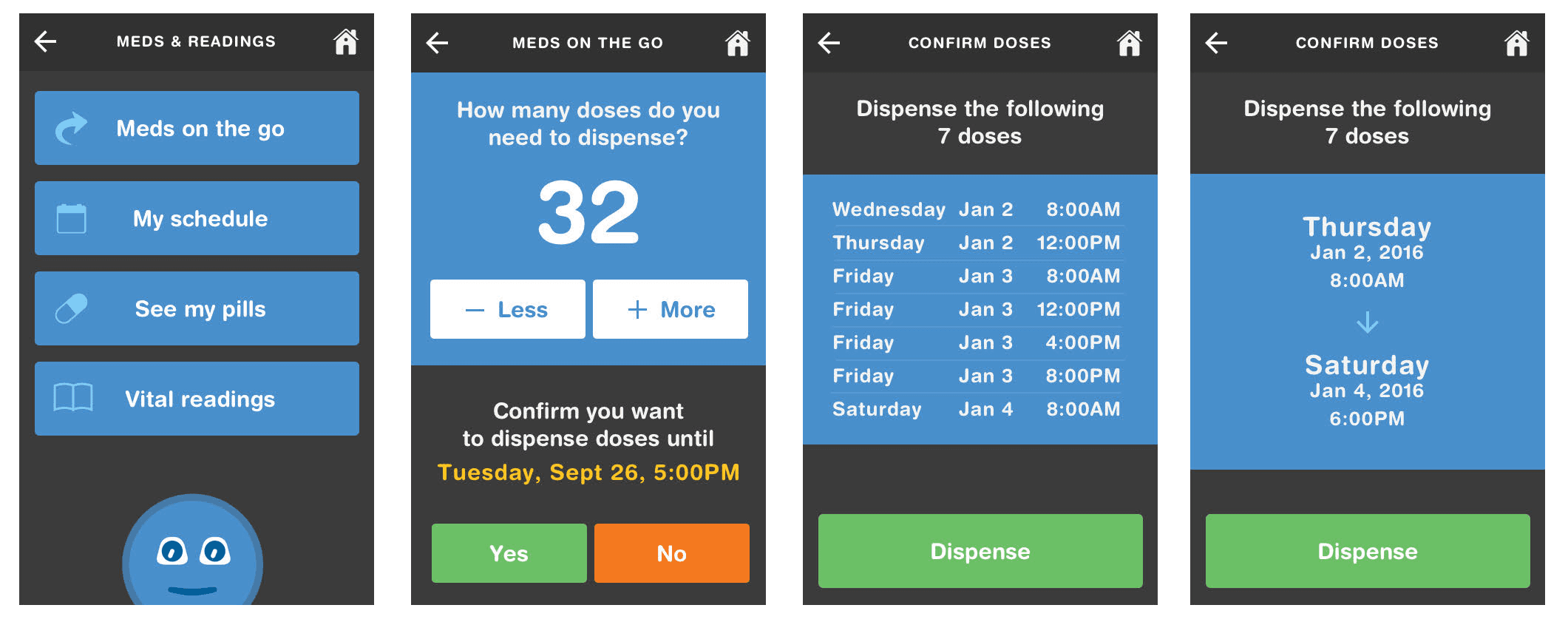
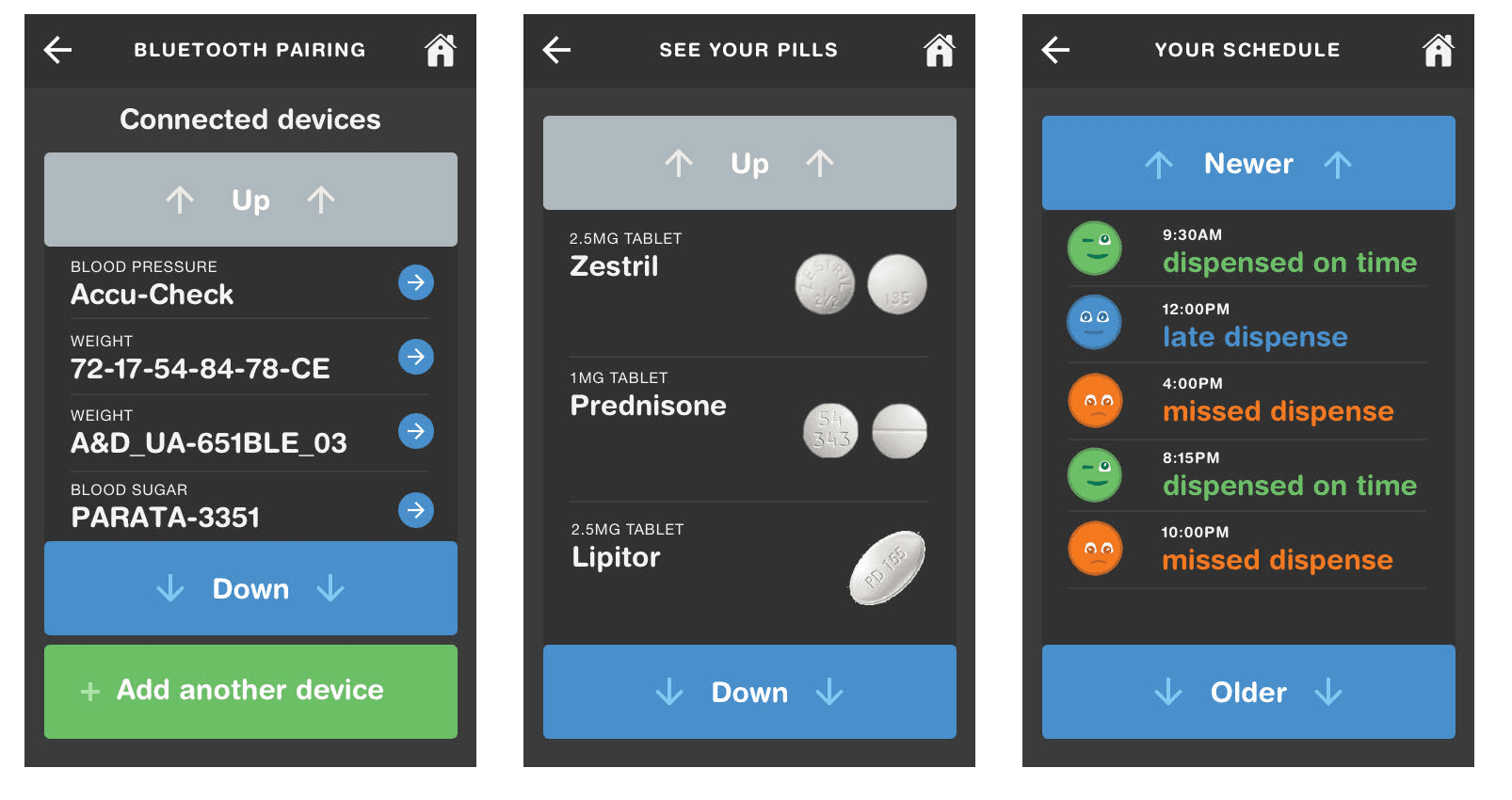
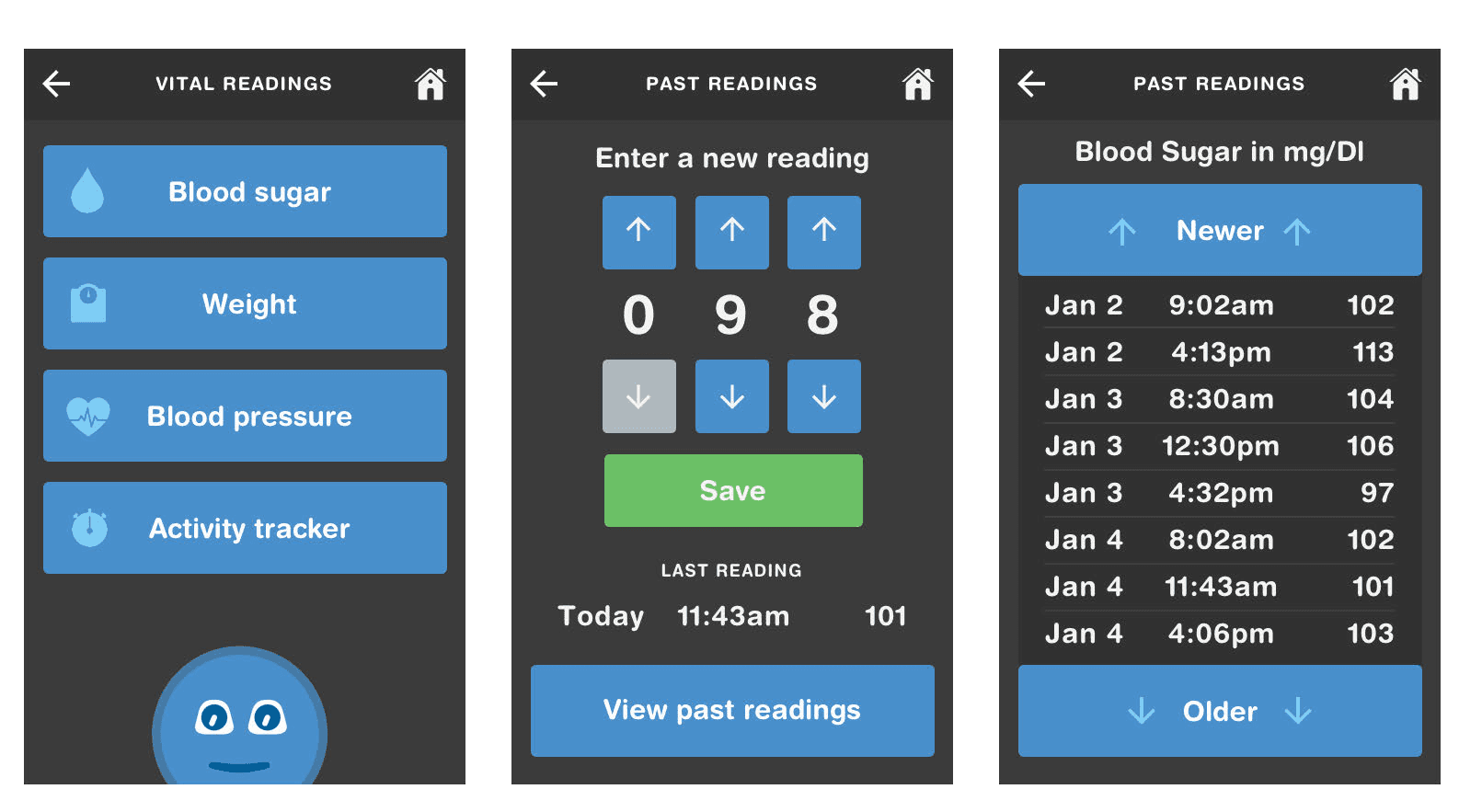
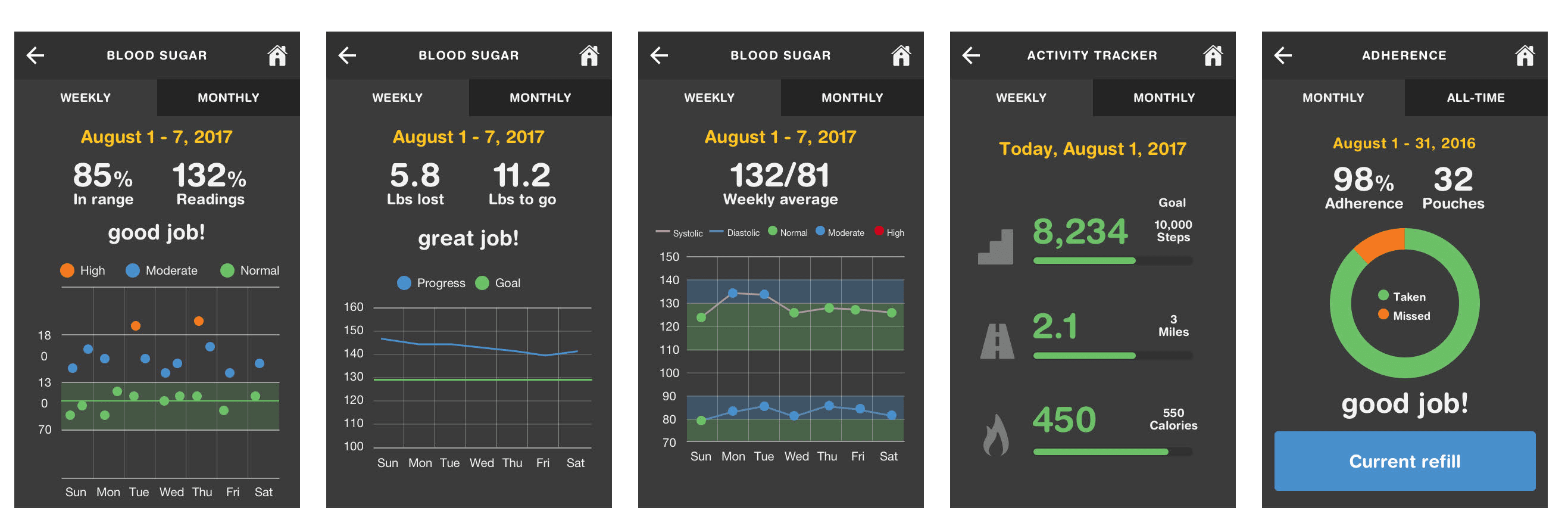
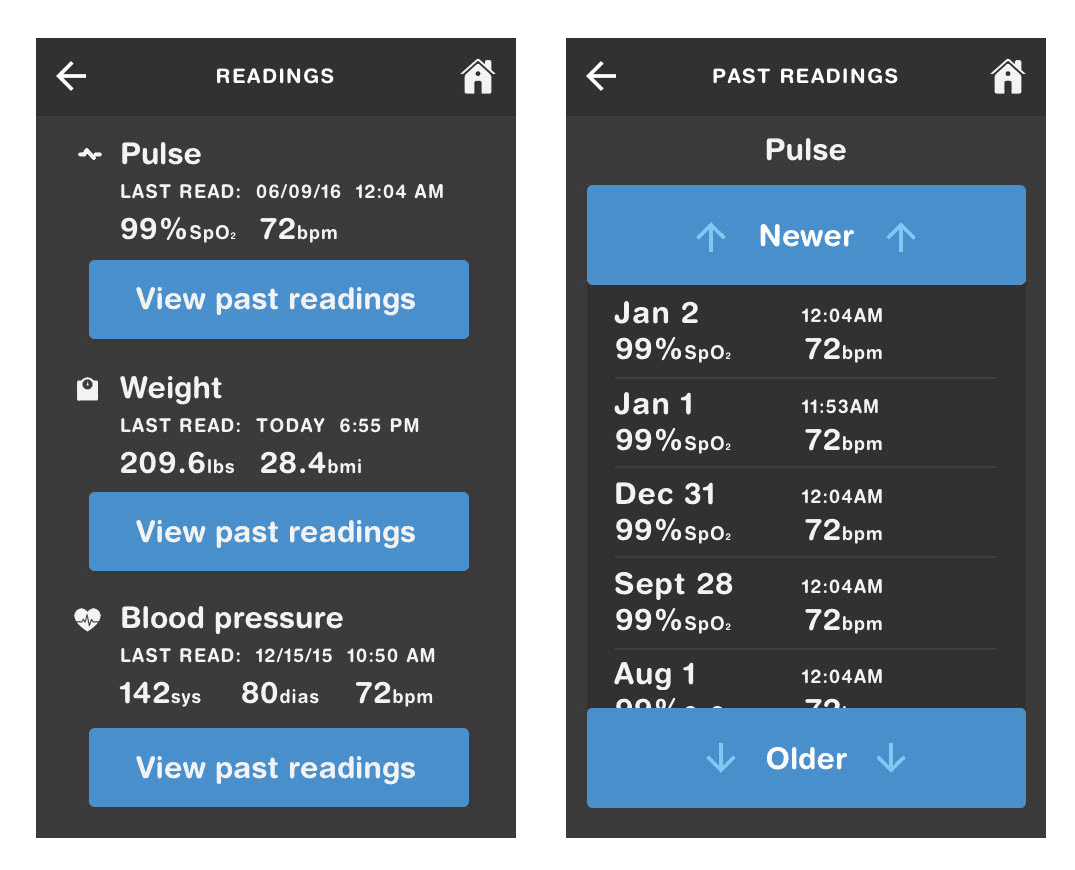
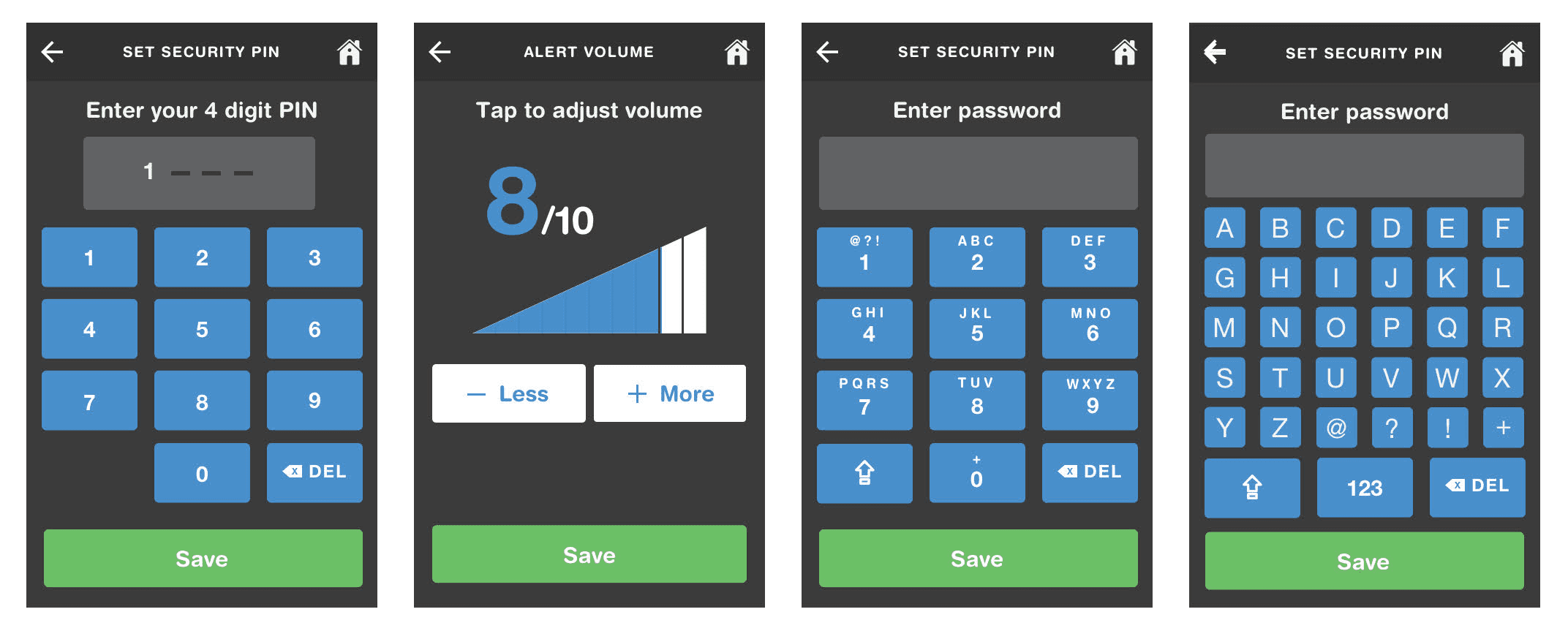
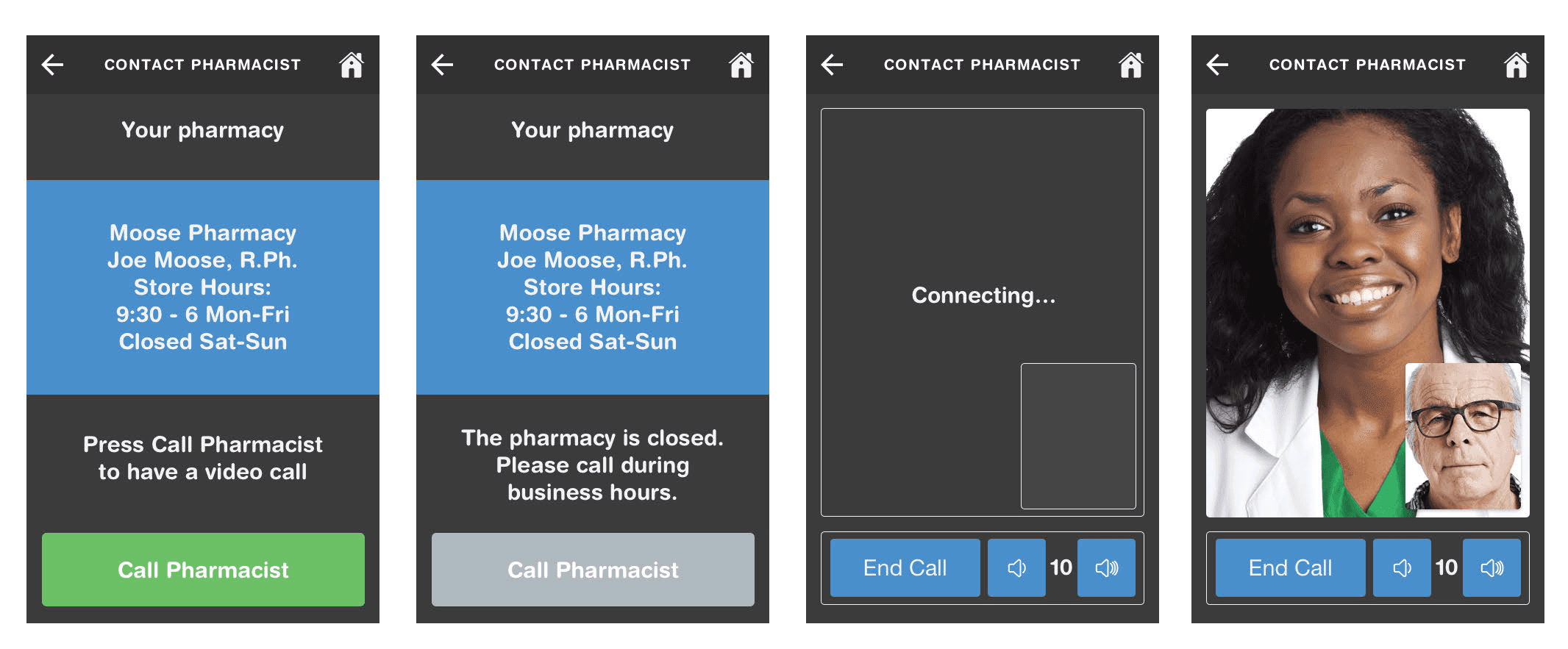
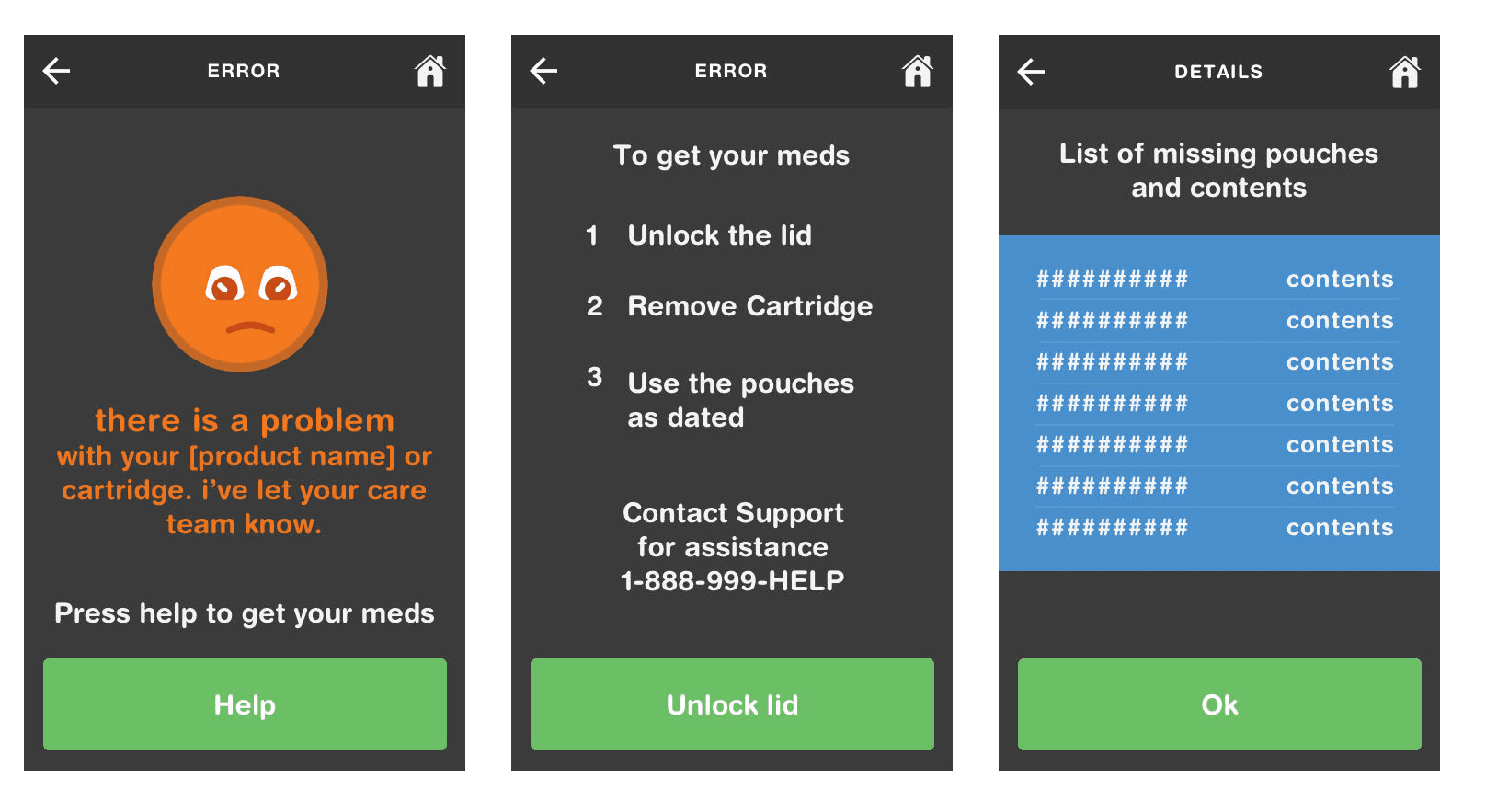
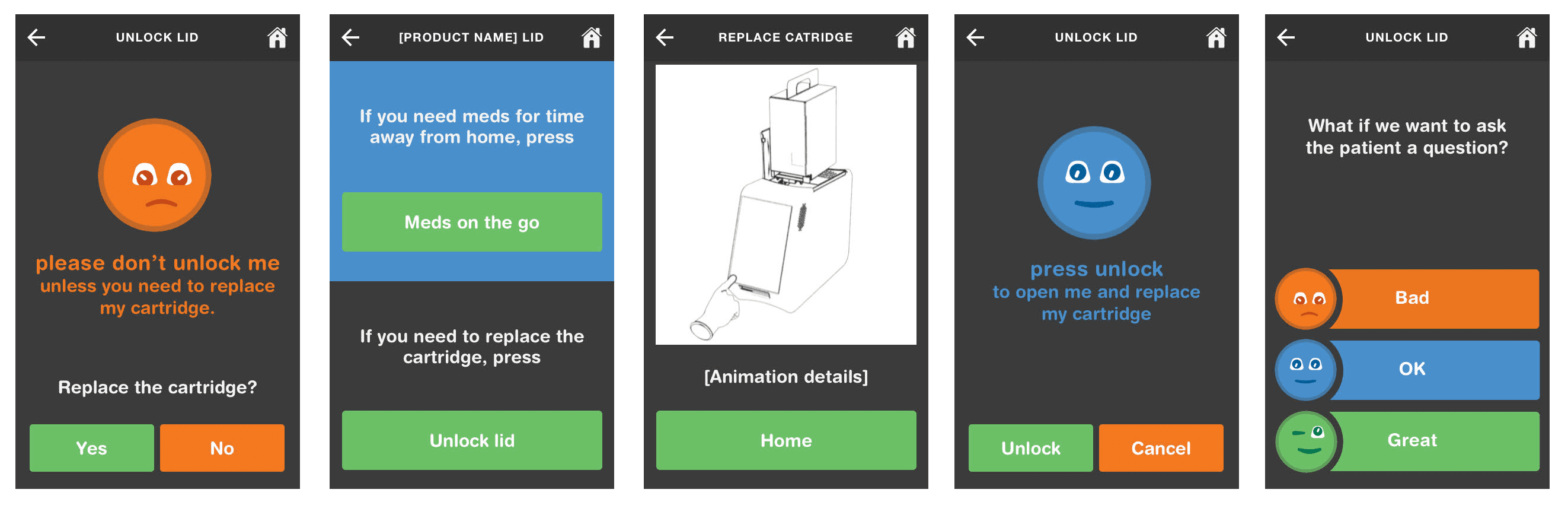
The most critical work occurred on the device itself. I led the transition from an engineer-focused UI to a user-focused experience by identifying and eliminating "friction points" for elderly users.
Tactile-First UI
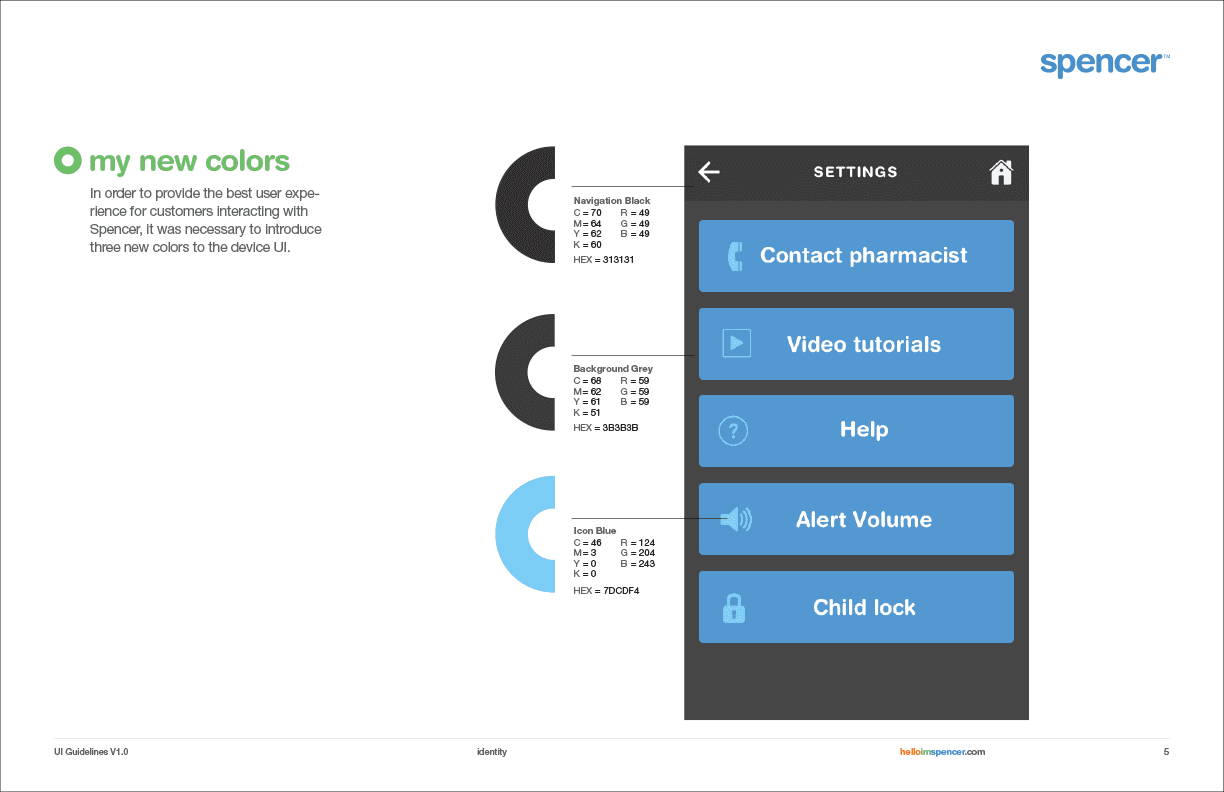
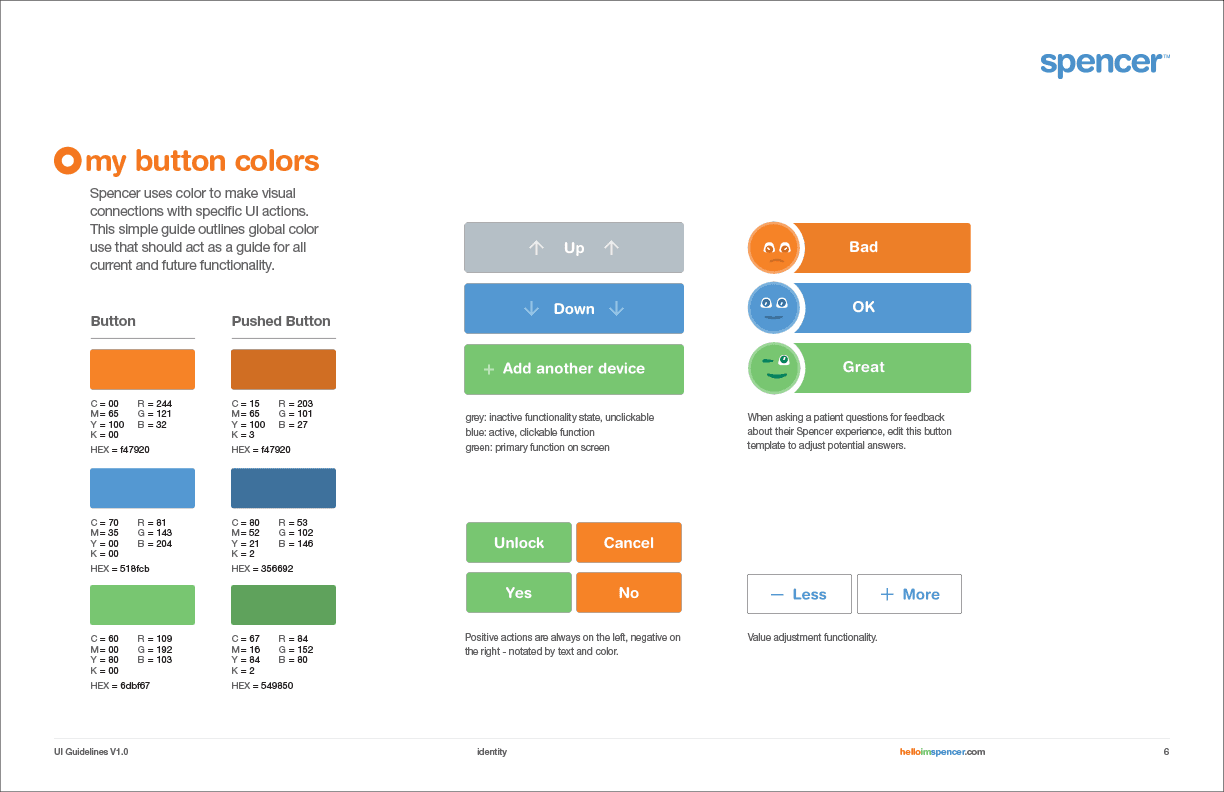
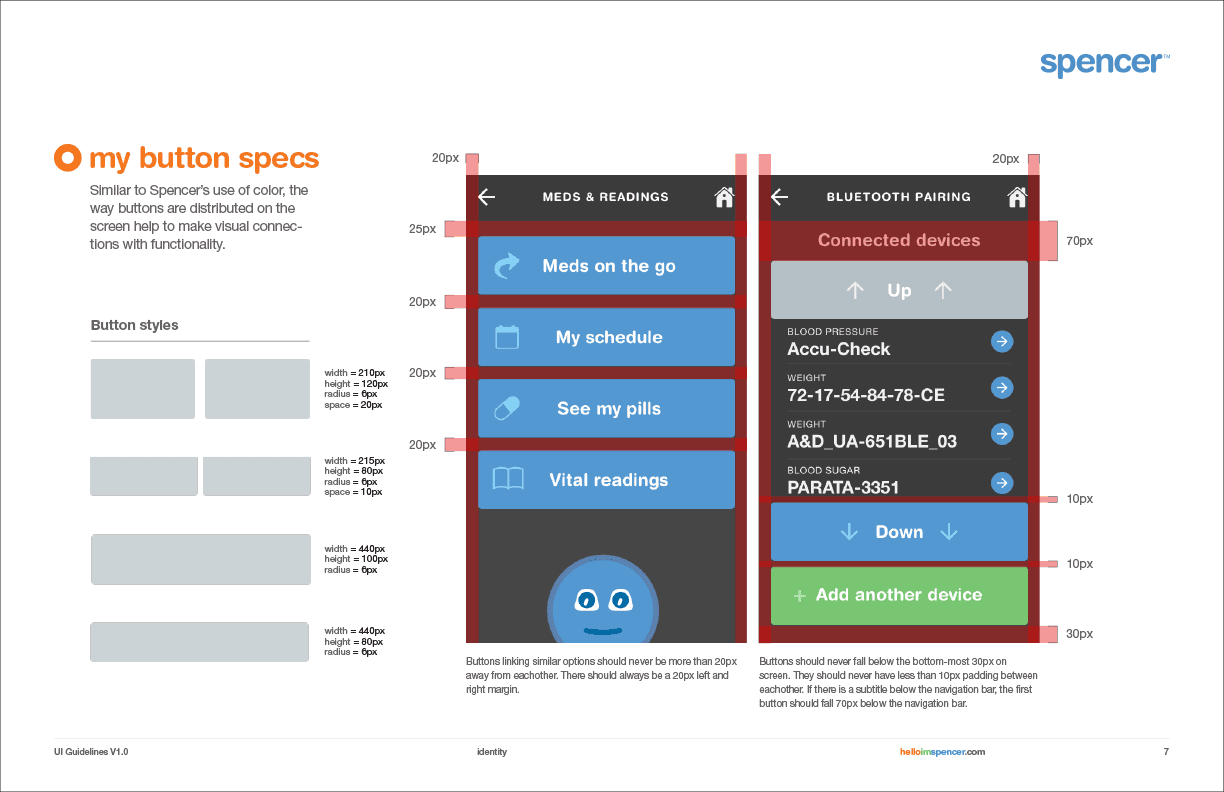
We replaced delicate sliders and small tap targets with large buttons and oversized steppers. This accounted for "unsteady fingers" and ensured that every interaction felt intentional and confirmed.
Visual Accessibility
I implemented a high-contrast labeling system and simplified icon sets to assist users with low vision.
Simplified Workflows
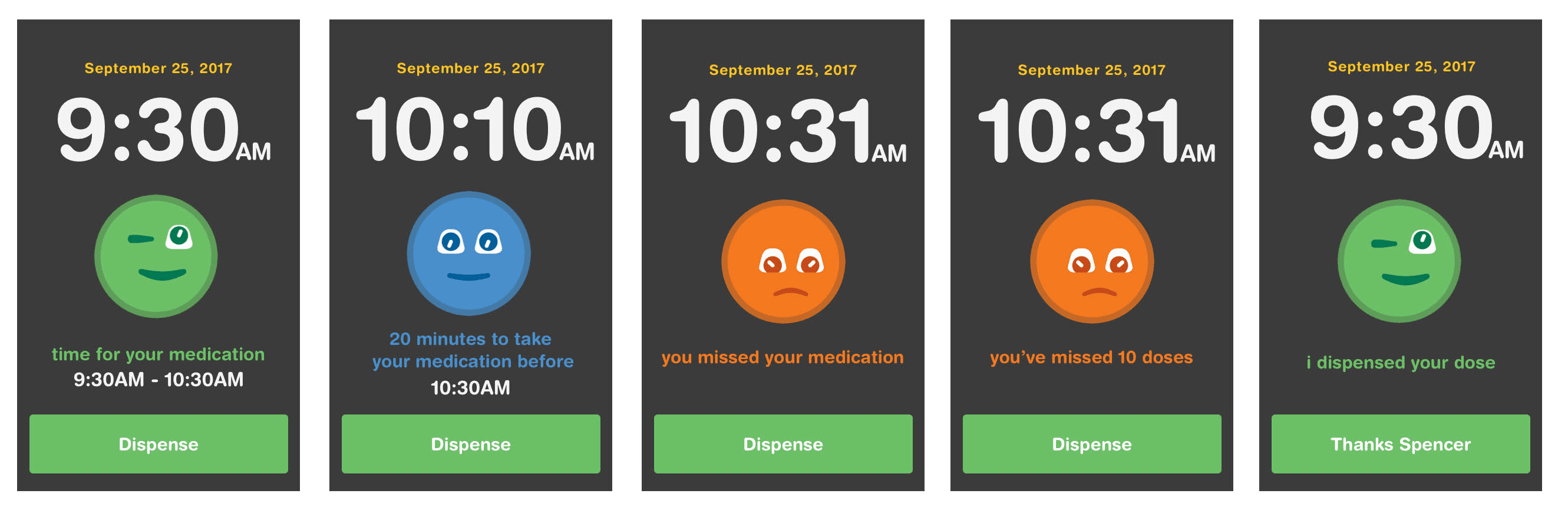
By auditing the user journey, we reduced the cognitive load required to confirm a dose, ensuring the "compliance" loop was as short and stress-free as possible.
Step 3: Team Leadership & Quality Control
As Associate Creative Director, my role was to act as the bridge between the technical constraints of the hardware and the creative vision of the agency.
Mentorship & Direction
I managed two on-staff designers, guiding them through the nuances of inclusive design and ensuring that the high standards set for the website were mirrored in the device’s software.
Individual Contribution
I personally designed the core UX patterns for the device's medication confirmation flow, setting the standard for the rest of the UI library.
The Results: Empowering Independence
The result was a unified ecosystem where the marketing promise perfectly matched the product reality.
User Confidence
The UI overhaul significantly reduced interaction errors among the test demographic, leading to higher medication compliance.
Brand Cohesion
For the first time, Spencer felt like a singular brand, whether the user was viewing it on a smartphone or interacting with the physical device in their kitchen.
Commercial Launch Readiness
The marketing site successfully captured high-quality leads, providing the sales team with the momentum needed for a successful public launch.